
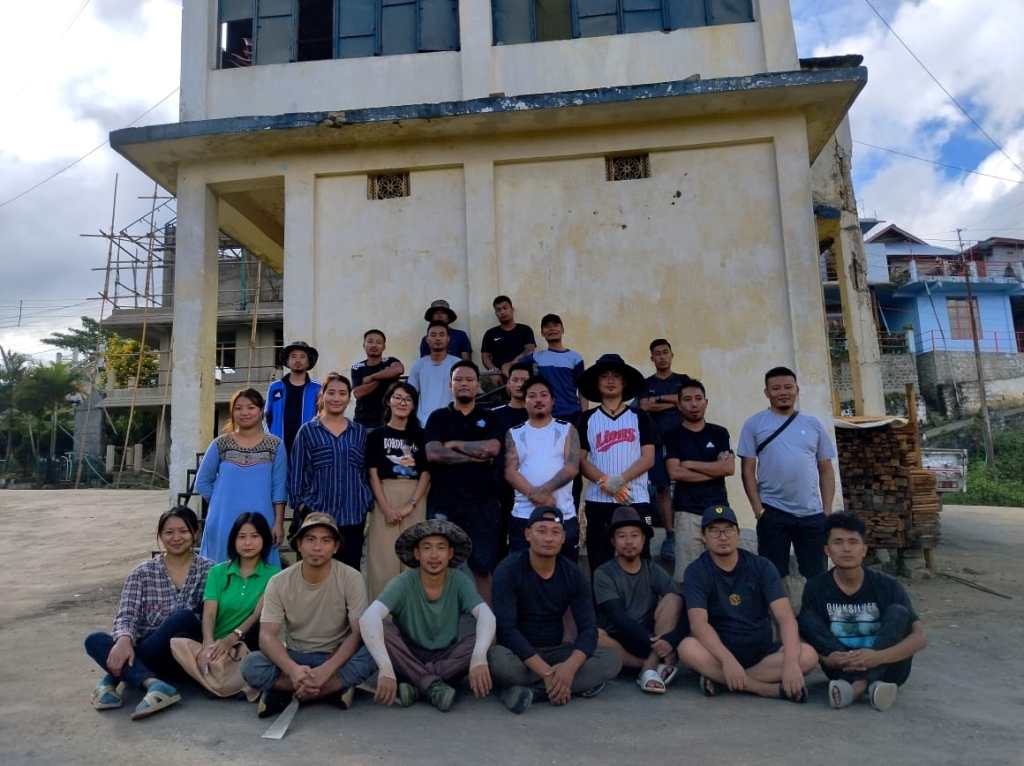
Mokokchung, Sept. 23 (www.nokinketer.com): In order to address the pressing social issues and community needs in their village, the Soyim Students Union, Ungma Village, has initiated a mass social work event today at Ungma.
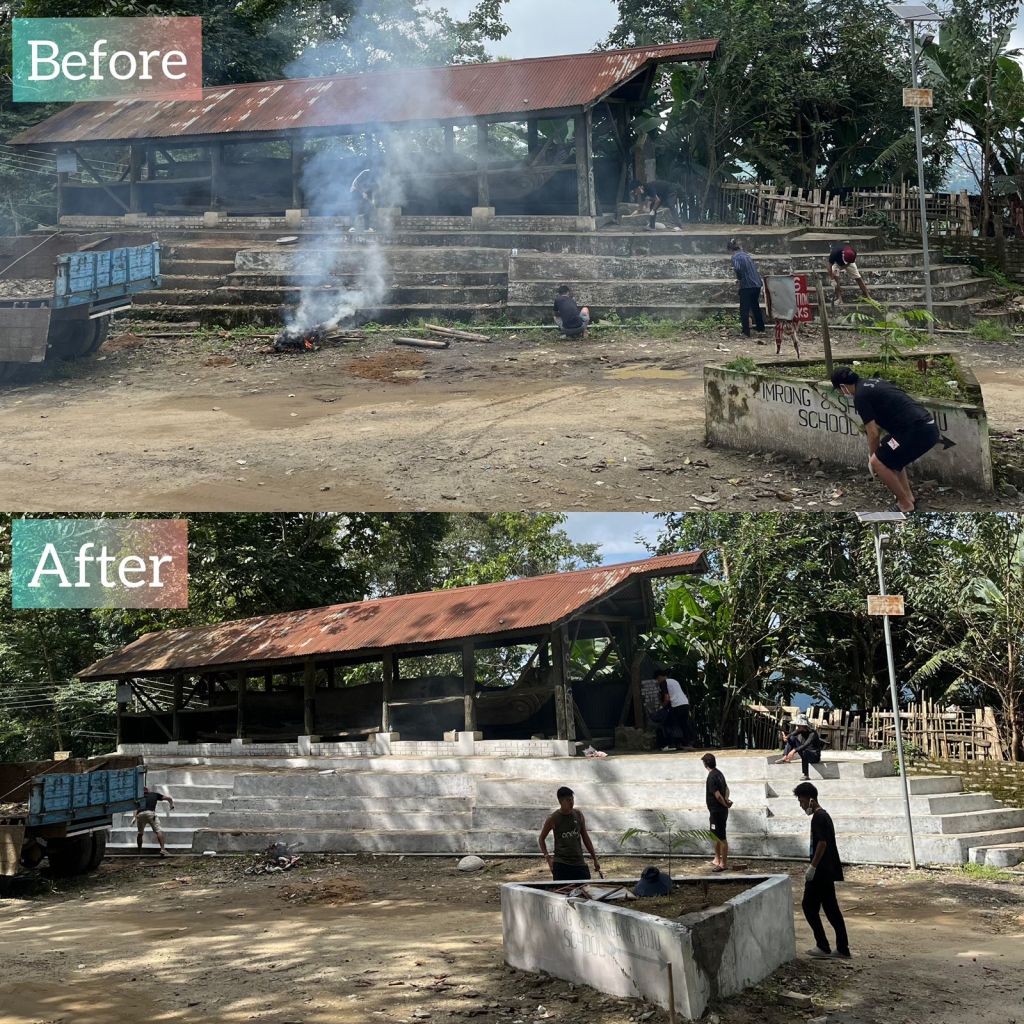
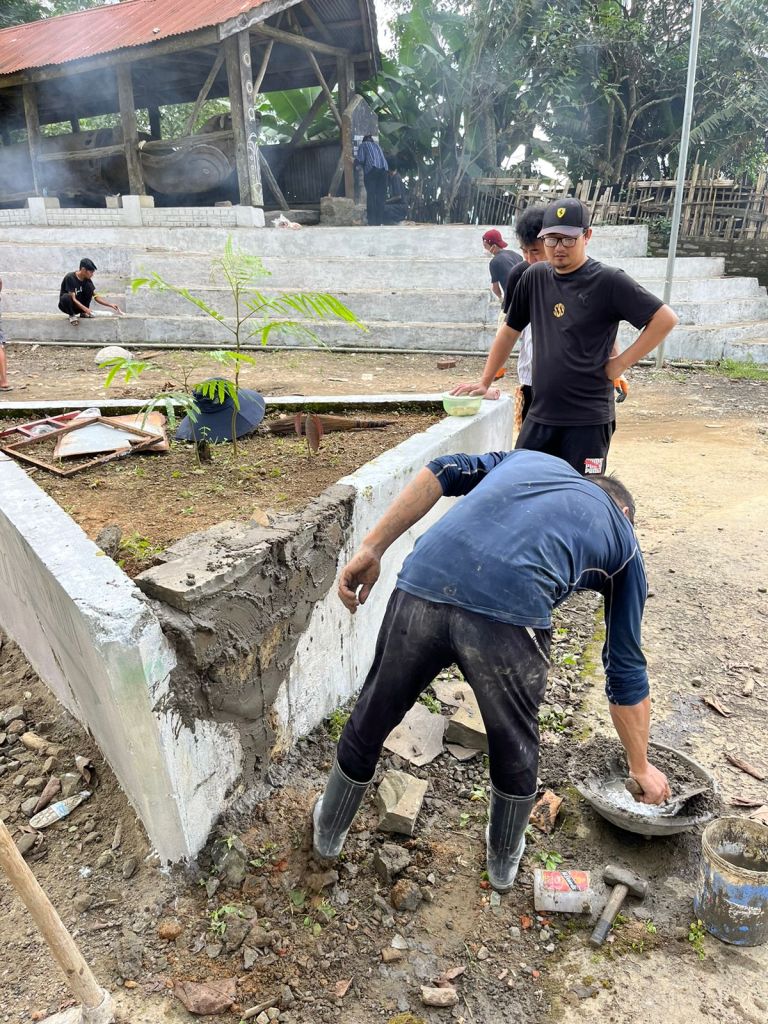
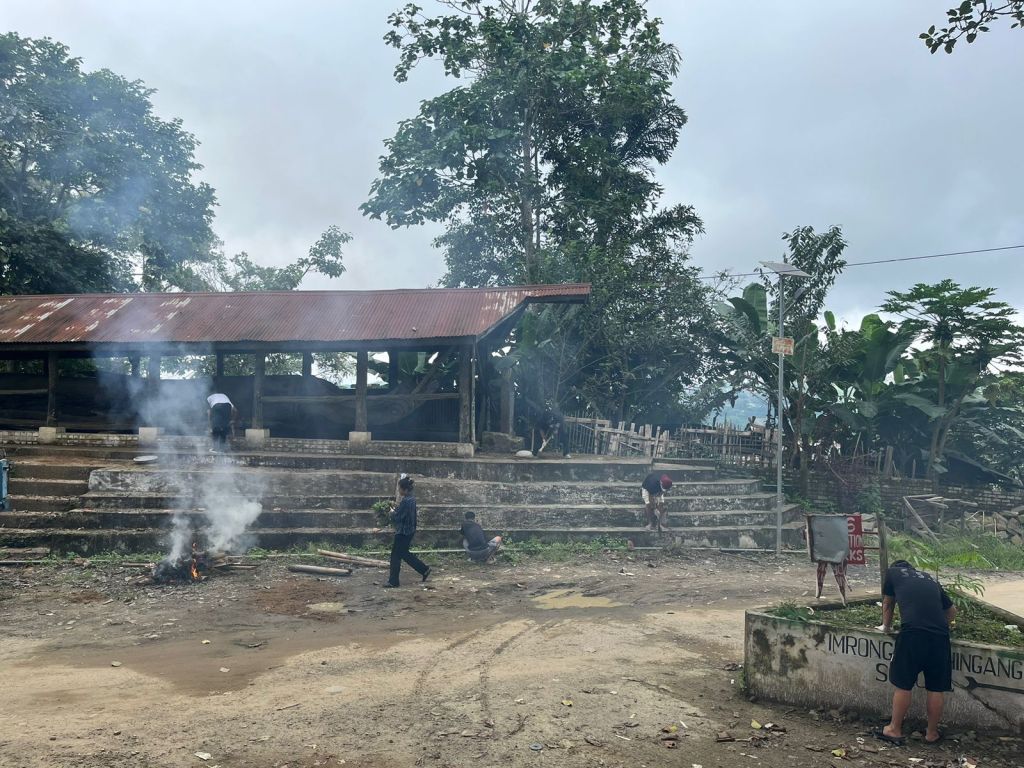
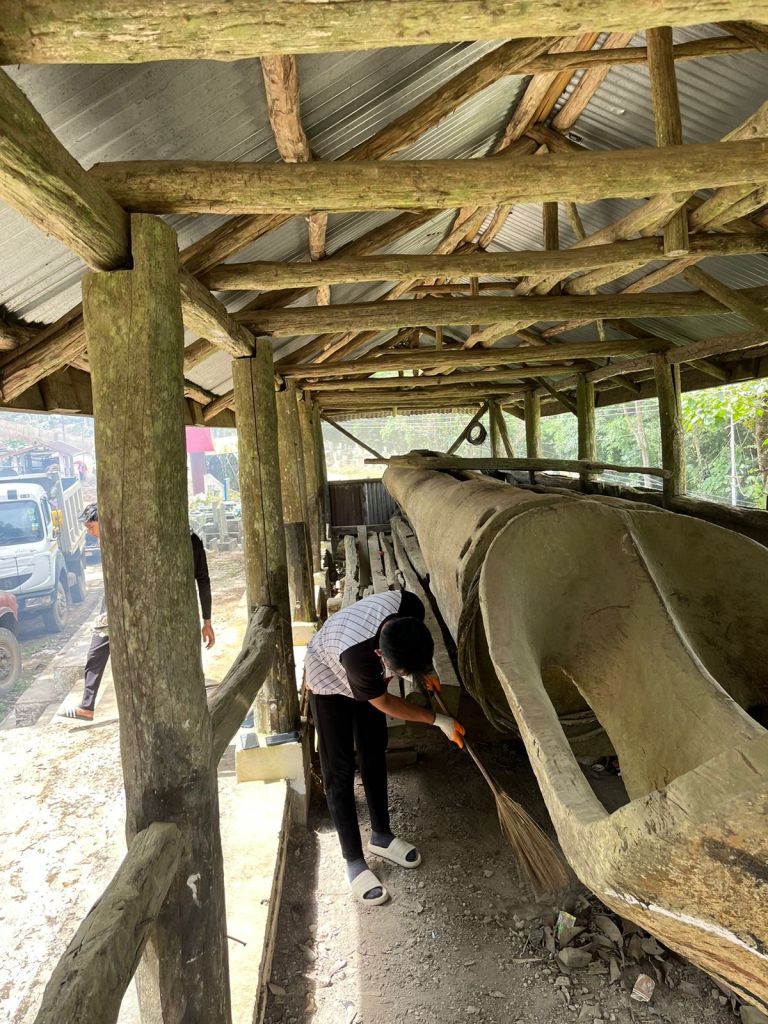
A total of 63 students from the Soyim Shisaluyimer Telongjem (Soyim Students Union) participated in the social work. They cleaned Yim Süngkum (Village Gate), Sungkong (Log Drum), the morung place, and heritage sites and monuments within the village’s jurisdiction.
The social work, which centres on environmental concerns, aims to make a tangible impact on the lives of the local population.
One of the foremost issues identified by the student union is the lack of access to education, particularly in the areas of reading, writing, and arithmetic (the 3Rs). To tackle this challenge, the union has committed to promoting education, ensuring that knowledge becomes accessible to all. Another significant concern that social work seeks to combat is the excessive use of non-biodegradable materials in the village. The students aim to educate the community about the importance of reducing or eliminating the use of such harmful materials, with a focus on fostering eco-friendly practices.
However, social work goes beyond surface-level change. It aspires to create a lasting impact by raising awareness about ecological crises. The student union believes that true transformation occurs when individuals are not only equipped with knowledge but also possess the understanding and commitment to safeguard our environment, transcending the boundaries of generational change.
The student union firmly believes that by addressing these critical social issues and community needs, they can bring about positive change in the lives of the village residents.
To ensure that their social work efforts align seamlessly with the priorities and preferences of the local community, the student union has devised a comprehensive engagement strategy. Their approach includes identifying and collaborating with key stakeholders, including community members and organisations. Building strong relationships within the community through active participation in local events and volunteer work, actively listening to the concerns and suggestions of community members, maintaining transparency and accountability in all aspects of their work, and prioritising inclusivity and equity in their efforts to ensure everyone’s voices are heard
In addition to these strategies, the student union has outlined concrete steps to involve the community by hosting regular community meetings to facilitate feedback and input. Establishing a community advisory board composed of diverse community representatives, forming partnerships with local organisations to extend their reach and impact, utilising social media as a platform for communication and feedback collection, and conducting surveys and interviews to better understand community needs and preferences
To secure the sustainability and long-term impact of their social work, the student union adheres to a well-structured plan: Community involvement in all project phases, Capacity-building within the community for future project management, Strategic partnerships with local organisations and government agencies, Implementation of sustainable practices to minimise environmental impact.
To measure the success of their initiatives over time, the student union will consider a range of indicators: improvements in community well-being, including health, education, income, and access to essential services; the level of community engagement, demonstrated by participation rates, feedback volume, and leadership development; the project’s sustainability, gauged by the community’s ability to self-manage; resource availability; and ongoing support from local entities.
These measures, tailored to each specific type, will provide a comprehensive view of their social work success. Importantly, the student union also emphasises the long-term impact, focusing on the lasting benefits their initiatives will bring to the village.
*****
 The Nokinketer